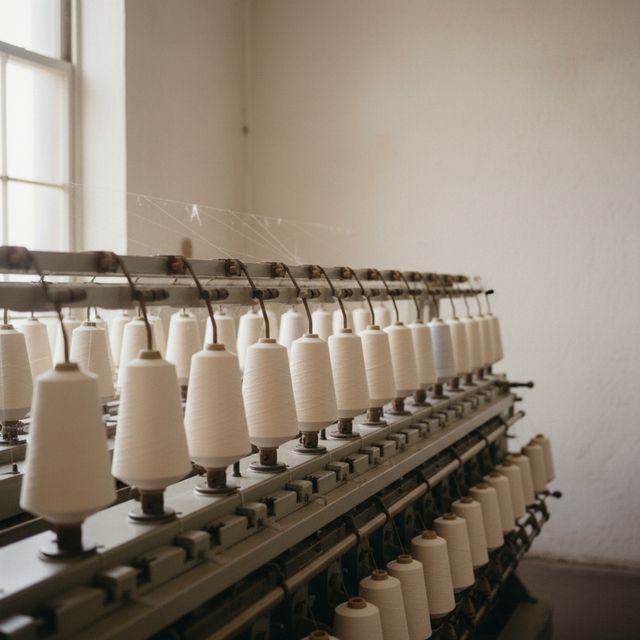
Gin and spin
Seed cotton is ginned near the farm and pressed into bales; the bales travel to a spinning mill. These are the steps most often covered by transaction certificates, and the ones where a chain most often goes dark.
Staple makes tees, shirts, denim, a chore jacket, a sweatshirt and a chino, all in single-fibre cotton. Ten pieces to start, cut simply and made to be worn and washed for years, from cotton grown in Gujarat, on the Aegean coast and in Texas (where the farm itself is not on record), in mills and workshops in Türkiye, India, Portugal, Italy and Japan that we name on every product page.
We describe a garment by its weight, its weave and where it was made — and because we can name the places, we keep the record. Every piece carries a passport: which gin, mill and factory it passed through, and what document stands behind each step.
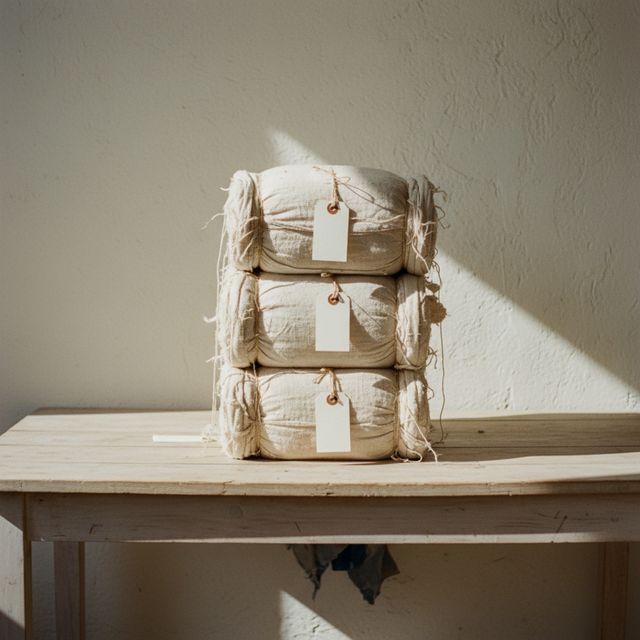
Every product page carries a passport: where the fibre was grown, what the piece is made of, and every step from farm to shelf with the operator and the place. For each step, one of three words — and no adjectives about the planet, because those aren’t things we can put a document behind.
Seed cotton is ginned near the farm and pressed into bales; the bales travel to a spinning mill. These are the steps most often covered by transaction certificates, and the ones where a chain most often goes dark.
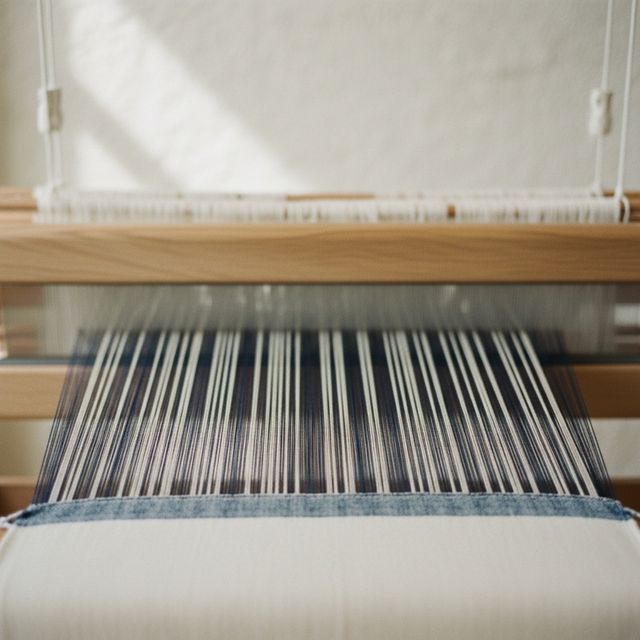
Yarn becomes cloth in İzmir, Denizli, Çorlu, Ahmedabad, Bergamo or Okayama, and is dyed and finished — sometimes before weaving, sometimes after. The passport keeps the real order, not a tidy one.
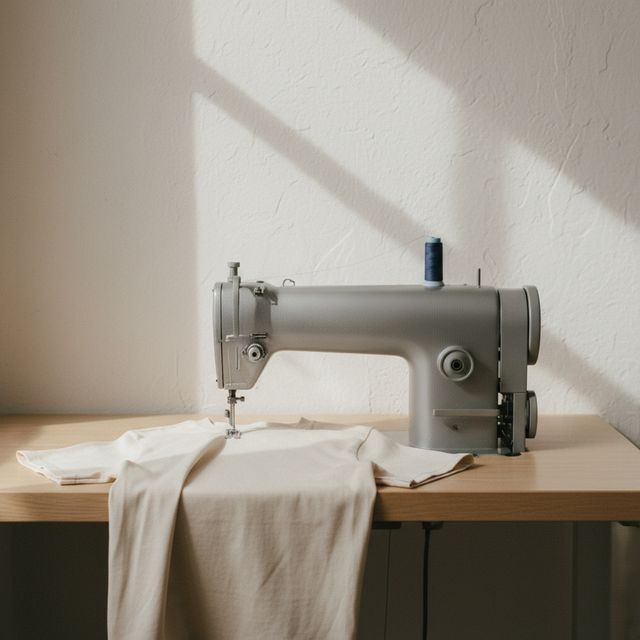
The tier-one factory. Audited, named, and on every passport. Porto, İzmir, Bengaluru.
“If it isn’t on the passport, we don’t say it.”
Every product page has care instructions written for that cloth, not a generic label. Wash cold, hang dry, iron damp — the boring things that make a tee last a decade.
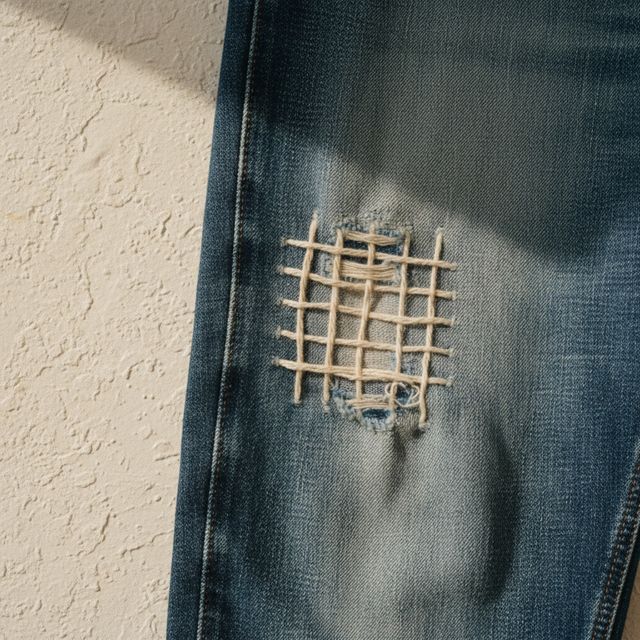
Repairs are ours to do. Collars turned, hems redone, denim darned. Free for five years on denim and shirts; a flat fee after that. Send anything back at the end of its life and it goes to repair or to textile recycling — single-fibre cotton, no blends, no coatings, so there is nothing to separate.
Shipping is free over €75 and returns are accepted for 30 days. Write to hello@wearstaples.com for anything the passport didn’t answer.
There is an assistant on every page for sizing, care and stock. Ask it where a piece was made and it answers from the passport and names the record it read; if the passport doesn’t hold the answer it says “not recorded”. Reviews are checked before they appear, and anything the check can’t settle waits for a person.
Ten pieces, all cotton.
Shop the collection